



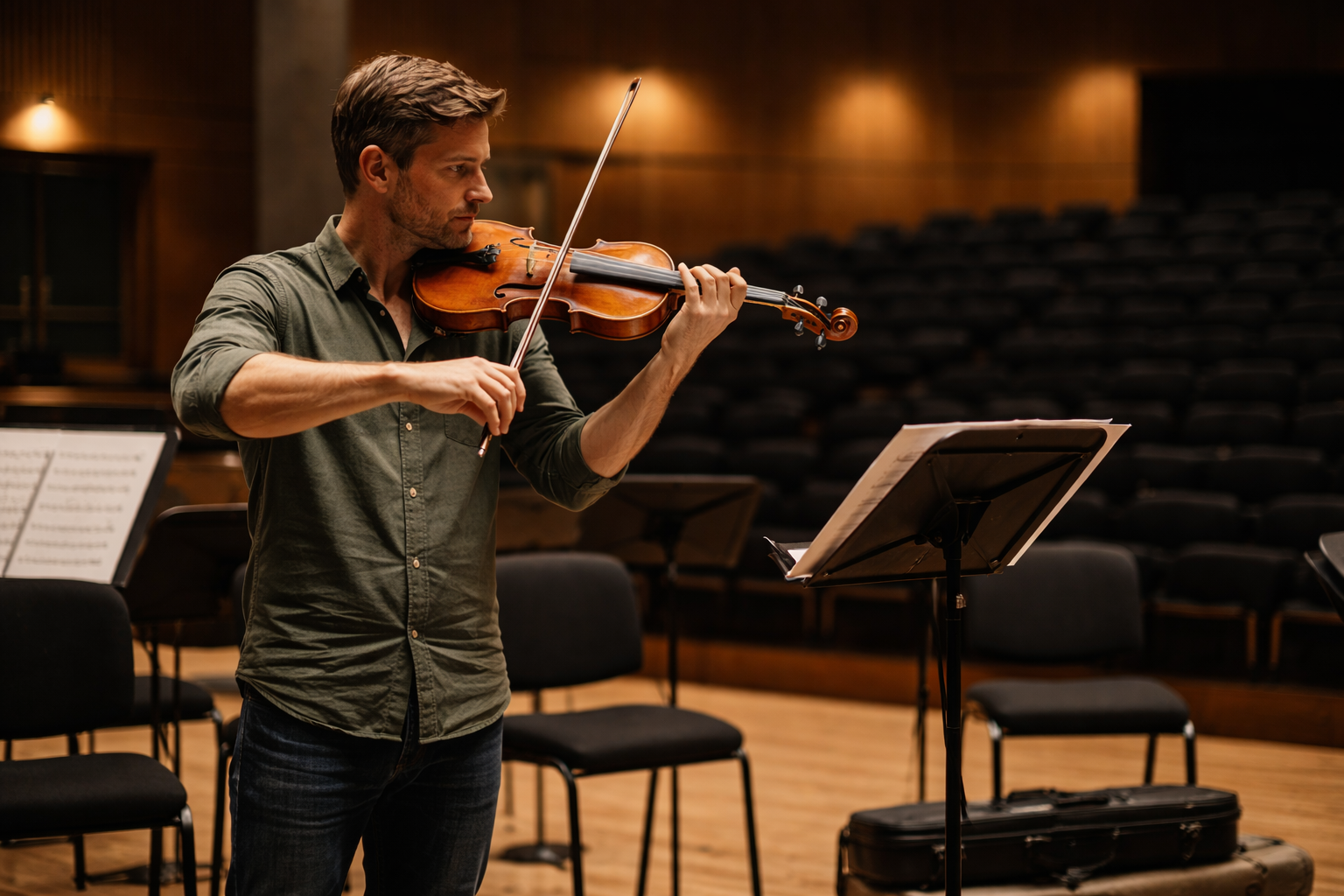
For players considering a significant investment in a fine string instrument, choosing correctly matters. Instruments at this level are not interchangeable, and even two instruments of similar quality can feel and respond very differently under the hands of the same player. Because of that, serious buyers often ask whether it is possible to spend time with an instrument outside the shop before making a final decision.
At Von’s Violin Shop, the answer depends on the situation. There is no advertised or standardized “home trial program,” particularly for student instruments. However, when a player is seriously considering the purchase of a higher-value instrument, it is sometimes appropriate for that instrument to be taken home for a limited period so the player can evaluate it as their regular instrument.
This approach exists for one reason: to help the player determine whether the instrument truly works for them.
Why a Home Trial Is Sometimes Necessary
Fine instruments reveal their character over time. While an in-shop comparison is essential, some aspects of an instrument only become clear after extended playing.
A player may need to experience how the instrument responds during daily practice, how it feels across longer sessions, and how it behaves in different musical contexts. Fatigue, subtle response issues, or tonal preferences are not always obvious in a short playing session, no matter how careful that session is.
For players considering a substantial purchase, Von’s Violin Shop recognizes that allowing additional time with the instrument can lead to a better decision and a more satisfied musician.
Not an Advertised Program, and Not for Every Situation
It is important to understand that this is not a public or automatic offering. Von’s Violin Shop does not advertise home trials, and they are not part of the process for student instruments or casual purchases.
Home trials are generally reserved for serious buyers who are considering spending a large sum on an instrument and who have demonstrated clear intent. The goal is not convenience, but confidence. Allowing a trusted player to use an instrument as their primary instrument for a short time helps ensure that the final decision is the right one.
This distinction matters. A fine instrument represents a long-term relationship between player and tool, and that relationship deserves careful consideration.
How Long Should a Trial Last?
When a home trial is appropriate, it is typically measured in days rather than hours. A period of one to five days is often sufficient for a player to understand whether an instrument fits their playing style, technique, and musical goals.
This length of time allows the player to:
- Practice normally without rushing
- Explore different dynamics and articulations
- Notice how the instrument responds on different days
- Assess physical comfort over longer sessions
- Listen critically in familiar acoustic spaces
The goal is not to test endurance or push the instrument to extremes, but to experience it honestly as part of daily musical life.
What a Player Should Pay Attention to During a Trial
A home trial is most valuable when the player knows what to listen and feel for. Tone is important, but it is not the only factor.
Players should pay attention to how easily the instrument speaks, how predictable the response feels under the bow, and whether the instrument supports the player’s technique rather than requiring constant adjustment. Consistency across registers, balance between strings, and clarity in different dynamic ranges all matter.
Comfort is also critical. An instrument that sounds wonderful but causes tension or fatigue may not be the right long-term choice.
Trust and Responsibility
Allowing a fine instrument to leave the shop, even temporarily, is a matter of trust. Von’s Violin Shop approaches this carefully and responsibly. Instruments at this level are valuable, both financially and artistically, and any trial arrangement reflects a mutual understanding between the shop and the player.
This is another reason such trials are not advertised. They depend on the specific instrument, the seriousness of the buyer, and the circumstances involved. When a trial is offered, it is done thoughtfully and with the shared goal of making the best possible match.
Why This Approach Benefits the Player
From the player’s perspective, a home trial removes pressure. It allows time for reflection rather than forcing a decision based on a single visit. It also respects the fact that musicians often need space to listen, adjust, and truly connect with an instrument.
From Von’s Violin Shop’s perspective, this approach aligns with a long-standing philosophy: the right instrument in the wrong hands, or the wrong instrument in the right hands, helps no one. The priority is not the transaction, but the outcome.
What If a Home Trial Is Not Offered?
If a home trial is not appropriate or available, in-shop comparison remains the foundation of the decision-making process. Playing multiple instruments back-to-back in the same space, with experienced guidance, is still the most reliable way to narrow choices.
In many cases, this is more than enough for a confident decision, especially when the player already knows what they are looking for.
To Conclude
Home trials at Von’s Violin Shop are not a formal program and not a guarantee. They are a practical option that may be extended to serious buyers considering a significant investment, when doing so serves the player’s best interest.
If you are at that stage and have questions about whether additional time with an instrument would be appropriate, the best next step is a conversation. Von’s Violin Shop is focused on helping players find instruments that truly work for them, and sometimes that means allowing time, space, and careful listening before a final decision is made.